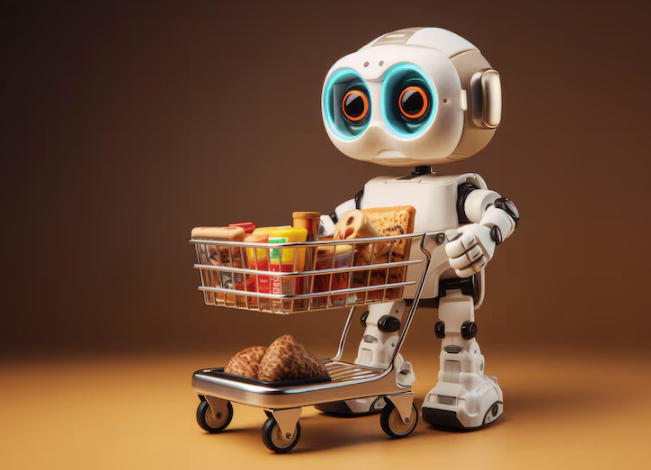
Retail automation technologies are reshaping the industry landscape. These innovations enhance efficiency and customer engagement, allowing for quicker responses to market demands. Various solutions, from self-service kiosks to sophisticated inventory systems, play a critical role in streamlining operations. However, the implications of these technologies extend beyond mere cost reduction. Understanding their full impact reveals deeper trends and future possibilities that could redefine retail as we know it.
The Rise of Retail Automation Technologies
In recent years, the retail sector has witnessed a remarkable surge in the adoption of automation technologies, fundamentally reshaping operational paradigms.
Self-service kiosks have emerged as pivotal tools, enhancing customer autonomy and streamlining transactions.
Concurrently, advancements in inventory management systems are optimizing stock levels and reducing wastage, enabling retailers to respond swiftly to consumer demands while minimizing operational costs and maximizing efficiency.
Key Types of Retail Automation Solutions
As retailers increasingly seek to enhance operational efficiency and customer experience, various automation solutions have emerged as critical components of modern retail strategies.
Key types include advanced inventory management systems that optimize stock levels and reduce waste, as well as customer engagement platforms that personalize interactions.
These technologies empower retailers to streamline operations while fostering meaningful connections with consumers, driving overall business growth.
Benefits of Implementing Automation in Retail
Retail automation solutions offer a multitude of benefits that extend beyond mere operational efficiency.
These technologies drive significant cost savings by reducing labor expenses and minimizing errors.
Additionally, automation enhances the customer experience through personalized interactions and streamlined processes, enabling retailers to respond swiftly to consumer demands.
The integration of such solutions empowers businesses to allocate resources strategically and innovate within a competitive landscape.
See also: Remote Patient Monitoring Technologies
Future Trends in Retail Automation Technologies
While the retail landscape continues to evolve, emerging technologies are poised to redefine automation strategies in the sector.
AI advancements will increasingly enhance customer experience through personalized interactions and predictive analytics.
As retailers adopt machine learning and robotics, efficiency will soar, allowing businesses to focus on innovation.
These trends signify a transformative shift, empowering consumers while optimizing operational capabilities within the retail environment.
Conclusion
As the retail landscape continues to evolve, the integration of automation technologies presents both opportunities and challenges. Retailers stand on the precipice of a new era, where efficiency and customer engagement are paramount. Yet, as they embrace these innovations, questions loom: Will they adapt swiftly enough to meet shifting consumer expectations? The answer may dictate not just survival, but thriving in a competitive marketplace, where the future is as unpredictable as it is promising.