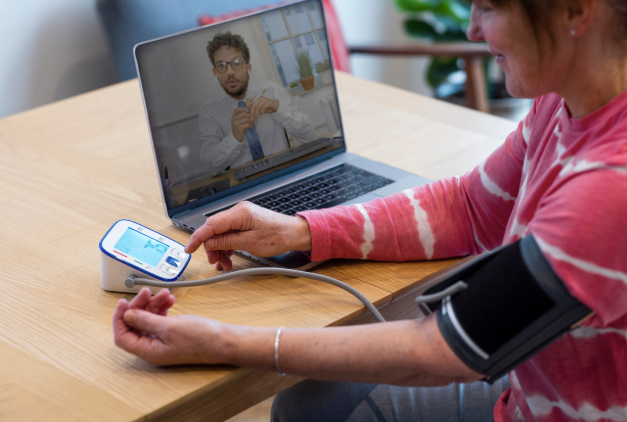
Remote Patient Monitoring (RPM) technologies represent a significant evolution in healthcare delivery. These tools, ranging from wearables to telehealth platforms, facilitate real-time communication between patients and providers. They enable continuous health tracking, fostering proactive management of chronic conditions. However, the integration of RPM technologies is not without challenges. Understanding both the benefits and hurdles is essential to appreciating their role in modern healthcare systems and the future landscape they may shape.
The Role of Remote Patient Monitoring in Modern Healthcare
As healthcare systems increasingly embrace technology, the role of remote patient monitoring (RPM) has emerged as a pivotal component in modern healthcare delivery.
By facilitating telehealth integration, RPM enhances patient engagement and empowers individuals to take control of their health.
This innovative approach not only improves chronic disease management but also fosters a more proactive healthcare culture, ultimately leading to better health outcomes.
Key Technologies Empowering Remote Patient Monitoring
While the landscape of healthcare continues to evolve, several key technologies are driving the effectiveness of remote patient monitoring.
Wearable devices enable real-time health data collection, enhancing patient engagement and adherence.
Meanwhile, telehealth platforms facilitate seamless communication between patients and providers, ensuring timely interventions.
Together, these technologies empower patients to take control of their health, fostering a more proactive approach to wellness.
Benefits of Remote Patient Monitoring for Patients and Providers
The integration of remote patient monitoring technologies offers significant advantages for both patients and healthcare providers.
Patients experience enhanced engagement through continuous health tracking, fostering self-management and informed decision-making.
Providers benefit from cost savings due to reduced hospital visits and improved resource allocation.
See also: myview07
Challenges and Future Trends in Remote Patient Monitoring Technologies
What obstacles must be overcome to fully realize the potential of remote patient monitoring technologies?
Key challenges include ensuring robust data security to protect patient information, enhancing patient engagement to promote consistent usage, integrating diverse technologies for seamless operation, and navigating complex regulatory challenges.
Addressing these issues will be essential for advancing remote patient monitoring and maximizing its benefits for healthcare systems and patients alike.
Conclusion
In conclusion, remote patient monitoring technologies are transforming modern healthcare, coinciding with the growing demand for patient-centered care. As wearable devices and telehealth platforms proliferate, they offer significant benefits, including enhanced health management and timely interventions. However, challenges such as data privacy and integration persist. As the landscape evolves, ongoing innovation and collaboration among stakeholders will be crucial, coinciding with the aim to improve health outcomes and ensure sustainable healthcare systems for the future.